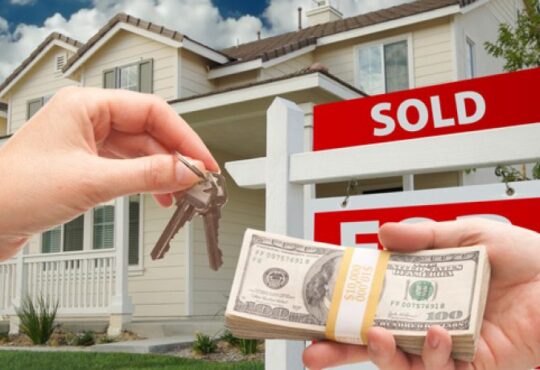



Selling a house is a significant life event that requires a delicate balance of strategy, timing, and emotional resilience. For many, it represents not just a financial transaction but the closing of a personal chapter. Whether you are upgrading, downsizing, relocating, or simply cashing in on a real estate investment, the process of selling your home deserves careful planning and thoughtful execution. Understanding how to position your property in a competitive market can make all the difference between a quick, lucrative sale and a drawn-out ordeal.
Understanding Market Trends and Timing
Before planting a “For Sale” sign in your yard, it’s essential to analyze the real estate market in your area. Market trends directly influence how quickly a home sells and at what price.
-
Seller’s Market vs. Buyer’s Market: In a seller’s market, inventory is low and demand is high, often leading to multiple offers and bidding wars. Conversely, a buyer’s market has an excess of homes for sale, giving buyers more negotiating power and typically resulting in longer selling times.
-
Seasonal Timing: Traditionally, spring and early summer are the most active seasons for home sales. Warmer weather and school calendars make it convenient for families to move during these months. However, selling in the off-season may work to your advantage if inventory is low and buyers are serious.
Preparation: Presenting Your Home at Its Best
A house must appeal to the widest possible audience to sell quickly and for top dollar. First impressions are critical, and most buyers form an opinion within moments of seeing a property.
-
Declutter and Deep Clean: Clear surfaces, remove excess furniture, and ensure every room is spotless. Buyers want to envision themselves in the space, and a clean, uncluttered home helps create that mental picture.
-
Repairs and Maintenance: Fix leaky faucets, squeaky doors, and cracked tiles. These small details signal to buyers that the home has been well cared for.
-
Staging for Success: Professional home staging can highlight the best features of your property and create a lifestyle image that resonates with buyers. Even small touches, like fresh flowers, strategically placed mirrors, and neutral color schemes, can elevate the ambiance.
Pricing: Finding the Sweet Spot
Pricing your home correctly from the start is one of the most important factors in achieving a successful sale. Overpricing can lead to a stale listing, while underpricing may leave money on the table.
-
Comparative Market Analysis (CMA): Work with a real estate professional to evaluate recent sales of similar properties in your neighborhood. This data-driven approach ensures your asking price aligns with market expectations.
-
Psychological Pricing: Setting a price just below a round number, such as $499,000 instead of $500,000, can attract more attention from buyers who set their search limits accordingly.
Marketing: Capturing Attention and Generating Interest
In the digital age, your home’s online presence is its first impression. Professional photography, compelling descriptions, and strategic promotion can draw in potential buyers.
-
High-Quality Images: Invest in professional photography that showcases your home’s best features, uses natural light effectively, and includes wide-angle shots for a spacious feel.
-
Virtual Tours and Videos: These tools allow buyers to explore your home from the comfort of their own, increasing engagement and interest, especially from out-of-town buyers.
-
Multi-Channel Promotion: List your home on major real estate websites, leverage social media platforms, and consider targeted email campaigns. A strong online presence maximizes exposure and drives foot traffic to showings and open houses.
Negotiation and Closing: Turning Offers into Results
Receiving an offer is exciting, but the negotiation process is where strategy truly comes into play. Understanding the nuances of an offer helps you make informed decisions.
-
Evaluating Offers: Beyond the purchase price, consider contingencies, closing timelines, and the buyer’s financial strength. A higher offer with multiple contingencies may be less attractive than a slightly lower, all-cash offer with a quick close.
-
Counteroffers and Flexibility: Be prepared to negotiate. Counteroffers are common, and a willingness to compromise on minor points can keep the deal moving forward.
-
The Escrow Process: Once an offer is accepted, the home enters escrow. During this phase, inspections are completed, financing is finalized, and legal documents are prepared. Staying proactive and responsive during this period ensures a smooth path to closing.
Working with the Right Professionals
While some sellers choose to go it alone, most benefit greatly from the expertise of a qualified real estate agent. A skilled agent brings market knowledge, negotiation skills, and a network of potential buyers.
-
Choosing an Agent: Look for someone with a strong track record in your area, excellent communication skills, and a marketing plan tailored to your home.
-
Legal and Financial Advisors: For complex transactions, especially those involving trusts, estates, or investment properties, legal and financial advisors can offer critical guidance.
Emotional Readiness and Practical Planning
Selling a house is often an emotional journey, especially if you’ve lived in the home for many years. Preparing emotionally can be just as important as preparing the property itself.
-
Letting Go: Focus on the opportunities that come with change. View the sale as a step toward your future rather than a farewell to the past.
-
Planning Your Move: Coordinate logistics well in advance. Decide whether to buy or rent next, and consider temporary housing if needed during the transition.
Conclusion: A Thoughtful Approach to House Selling
House selling is a multifaceted process that blends market knowledge, strategic planning, and emotional readiness. From understanding when to list and how to price, to staging for maximum appeal and negotiating with confidence, each step plays a vital role in achieving your goals. By approaching the sale with diligence and foresight, you not only increase your chances of a profitable transaction but also ensure a smoother, more rewarding experience. Selling a house is not merely about closing a deal—it’s about opening a new door to your next adventure.