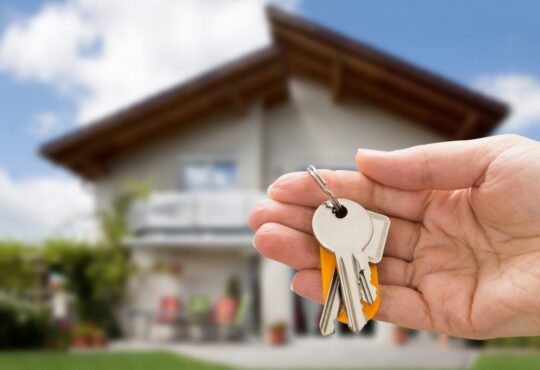


Renting a home, once seen merely as a transitional phase or a stepping stone to ownership, has evolved into a lifestyle choice and financial strategy for millions worldwide. In today’s fast-paced and often unpredictable world, renting offers a blend of flexibility, mobility, and access that appeals to a broad range of people—from young professionals and students to retirees and digital nomads. As urbanization intensifies, housing markets fluctuate, and lifestyles diversify, understanding the intricacies of renting becomes increasingly important for both tenants and landlords alike.
Understanding Rent: More Than Just Monthly Payments
At its simplest, rent is a payment made by a tenant to a landlord in exchange for the use of property. This arrangement can apply to residential spaces, commercial buildings, or even land. However, in a broader sense, rent represents a complex interplay of market forces, personal circumstances, and societal trends. It influences where people live, how they allocate resources, and how communities develop over time.
The Appeal of Renting in a Modern Context
Flexibility and Mobility
Renting offers a level of freedom that ownership cannot easily match. Tenants can relocate with relative ease, whether to pursue new job opportunities, explore different neighborhoods, or adapt to changing life stages. This mobility is particularly appealing in an era where remote work, gig employment, and global citizenship are on the rise.
Lower Upfront Costs
Purchasing a home often requires a significant down payment, closing costs, and long-term financial commitment. Renting, by contrast, usually involves a security deposit and initial rent, making it a more accessible option for those not ready or able to invest heavily upfront.
Reduced Maintenance Responsibility
Homeownership brings with it the burden of repairs, property taxes, and ongoing maintenance. Renters typically enjoy the benefit of having these responsibilities handled by landlords or property managers, freeing them from the financial and logistical concerns of property upkeep.
Types of Rental Properties
Apartments and Flats
Common in urban environments, apartments range from compact studios to spacious multi-bedroom units. These properties often offer shared amenities such as gyms, pools, and communal lounges, fostering a sense of community while providing convenience.
Single-Family Homes
Renting a standalone house offers more privacy and space, often including yards, garages, and multiple living areas. This option appeals to families or individuals seeking a home-like environment without the commitment of ownership.
Co-Living Spaces
A relatively new concept, co-living involves shared housing where residents rent private bedrooms and share communal spaces. These arrangements often include utilities, cleaning services, and social events, catering to younger renters and those seeking affordability in high-cost cities.
Vacation and Short-Term Rentals
Services like Airbnb have revolutionized temporary housing, allowing travelers and transient workers to rent furnished properties for short stays. While convenient, these options can come at a premium and are subject to local regulations.
Key Considerations When Renting
Budget and Affordability
Renters must carefully assess their monthly budget, factoring in rent, utilities, transportation, and other living costs. It’s generally advised that housing expenses not exceed 30% of one’s monthly income to maintain financial stability.
Lease Terms and Conditions
Understanding lease agreements is crucial. Tenants should review the length of the lease, renewal terms, security deposit requirements, pet policies, and conditions for early termination. Clarity on these terms can prevent disputes and ensure a smooth tenancy.
Location and Accessibility
Proximity to work, schools, public transport, and essential services heavily influences rental decisions. A well-located rental can enhance quality of life and reduce daily commuting stress.
Safety and Property Condition
Inspecting the property before signing a lease is essential. Renters should check for functional appliances, secure locks, fire safety measures, and general cleanliness. Documenting existing damages helps avoid liability at the end of the lease.
The Role of Landlords and Property Managers
Landlords are responsible for maintaining the property, addressing repairs, and ensuring a habitable living environment. Professionalism, timely communication, and respect for tenant rights are hallmarks of effective property management. Conversely, tenants are expected to care for the property, pay rent on time, and adhere to lease terms.
A positive landlord-tenant relationship is built on transparency, mutual respect, and legal compliance. Disputes often arise from miscommunication, which can be mitigated through clear documentation and prompt responsiveness.
Rental Markets: Regional Variations and Trends
Urban Versus Suburban Rentals
City rentals tend to be more expensive but offer proximity to employment, entertainment, and cultural venues. Suburban rentals may provide more space and affordability but at the cost of longer commutes. The pandemic has blurred these lines, with many renters seeking suburban or rural properties for better work-life balance.
Rental Price Fluctuations
Rent prices are influenced by supply and demand, economic conditions, and seasonal factors. High demand and limited supply drive rents upward, while economic downturns or overbuilding can lead to stagnation or declines.
Government Regulations and Rent Control
Some cities implement rent control or rent stabilization policies to protect tenants from sharp increases. These laws vary widely and impact both tenant security and landlord profitability. Renters should be aware of local legislation governing rent increases, eviction processes, and tenant rights.
Tips for Successful Renting
-
Conduct thorough research before choosing a rental
-
Read the lease agreement carefully and clarify any ambiguities
-
Keep communication with the landlord or property manager professional and prompt
-
Maintain the property in good condition and report issues immediately
-
Keep records of payments and correspondence for reference
Conclusion
Renting is no longer merely a stopgap between living arrangements; it is a deliberate choice shaped by lifestyle, finances, and personal values. In an increasingly mobile and diverse world, renting offers adaptability, convenience, and access to a variety of living spaces. Whether one rents out of necessity or preference, understanding the dynamics of the rental market enables better decisions, smoother experiences, and a more fulfilling housing journey. As the rental landscape continues to evolve, those who engage with it thoughtfully will find that renting can be not just practical, but profoundly empowering.