


Apartments have long been an essential part of urban living, offering a dynamic blend of comfort, community, and convenience. As cities expand and lifestyles evolve, apartments are no longer viewed merely as transitional housing or budget-friendly alternatives to standalone homes. They have become symbols of modern living—carefully designed spaces that cater to the needs of diverse populations, from young professionals and students to families and retirees. In an era where flexibility, accessibility, and thoughtful design matter more than ever, the appeal of apartment living continues to grow, reshaping how people experience home in a fast-paced, interconnected world.
Defining Apartment Living: More Than Just a Place to Stay
An apartment is a self-contained housing unit within a larger building or complex, typically sharing walls, ceilings, and amenities with neighboring units. While sizes and styles vary—from compact studios to spacious multi-bedroom layouts—the essence of apartment living lies in its integration with a broader residential community.
Common types of apartments include:
-
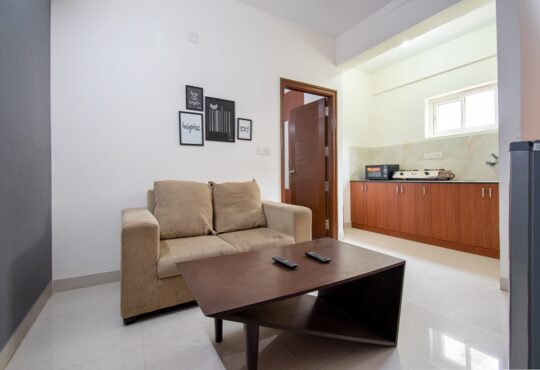
Studio Apartments: Open-plan spaces combining living, sleeping, and kitchen areas, ideal for individuals seeking efficiency and simplicity
-
One to Three-Bedroom Units: Designed for individuals, couples, or families, offering private bedrooms alongside shared living and dining areas
-
Lofts: Characterized by high ceilings, open layouts, and often industrial aesthetics, lofts appeal to those who value creativity and unconventional design
-
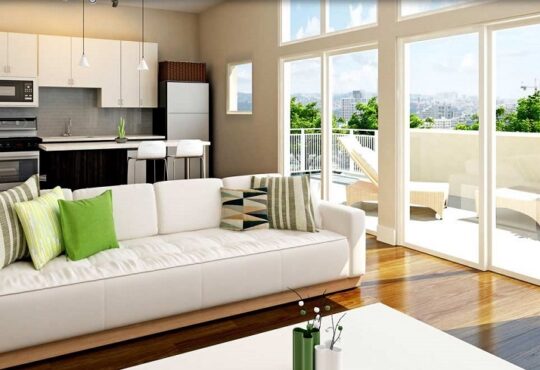
Penthouse Apartments: Located on the top floors of high-rise buildings, these units typically offer premium finishes, expansive views, and exclusive amenities
-
Serviced Apartments: Fully furnished units with hotel-like services such as cleaning, concierge, and maintenance, catering to short-term renters or corporate travelers
Understanding the variety of apartment types allows prospective renters or buyers to select spaces that align with their needs, budget, and lifestyle preferences.
The Appeal of Apartment Living: Flexibility Meets Functionality
Apartments offer a range of practical and lifestyle benefits that contribute to their popularity, particularly in urban and high-density areas. For many, the appeal lies in the ability to live close to work, entertainment, and cultural hubs without sacrificing comfort or style.
Advantages of living in an apartment:
-
Prime Locations: Apartments are often located in the heart of cities or desirable neighborhoods, providing easy access to public transit, dining, shopping, and workplaces
-
Low Maintenance: Maintenance tasks such as landscaping, exterior repairs, and common area cleaning are typically handled by property management, reducing responsibility for residents
-
Amenities and Services: Many apartment complexes offer features like gyms, pools, rooftop lounges, and security services that enhance daily life and foster a sense of luxury
-
Community and Social Engagement: Shared spaces and events encourage interaction among residents, creating opportunities for socialization and connection
-
Affordability and Accessibility: Compared to purchasing a home, renting or buying an apartment can offer a more affordable entry point into desirable real estate markets
These features make apartments an attractive choice for individuals seeking balance between urban convenience and comfortable, efficient living spaces.
Financial Considerations: Weighing Cost and Value
Apartment living often involves financial dynamics distinct from homeownership. Whether renting or purchasing, understanding the associated costs is essential for making informed housing decisions.
Financial factors to consider include:
-
Monthly Rent or Mortgage: Monthly payments for apartments can vary widely based on location, size, and amenities. Renters must also consider lease terms and potential rent increases
-
Security Deposit or Down Payment: Renters typically pay a refundable deposit, while buyers must provide a down payment and cover closing costs
-
Utilities and Fees: Utility costs may be included in rent or billed separately. Additionally, apartment complexes may charge fees for amenities, parking, or services
-
Homeowners Association (HOA) Fees: For owned apartments (condominiums), HOA fees contribute to maintenance of shared areas and services, varying by building and location
-
Insurance: Renter’s or homeowner’s insurance is recommended or required, protecting personal property and providing liability coverage
Evaluating these costs relative to lifestyle benefits helps individuals determine whether apartment living aligns with their financial goals and priorities.
Lifestyle Benefits: Design, Safety, and Sustainability
Modern apartments are designed with a focus on efficiency, aesthetics, and well-being, offering living spaces that support a high quality of life. From interior design to building features, thoughtful details enhance comfort and security.
Key lifestyle benefits include:
-
Efficient Design: Open layouts, smart storage solutions, and multipurpose spaces maximize usability without excess square footage
-
Safety Features: Secure entrances, surveillance systems, and on-site staff provide peace of mind for residents, especially in larger complexes
-
Eco-Friendly Living: Many apartment buildings incorporate energy-efficient appliances, green roofs, and sustainable materials, appealing to environmentally conscious individuals
-
Walkability and Reduced Commute: Central locations minimize the need for long commutes, promoting healthier, more active lifestyles and reducing reliance on cars
-
Pet-Friendly Options: Increasing numbers of apartments accommodate pet owners, offering amenities such as dog parks, pet washing stations, and flexible lease terms
These features support a lifestyle that is both practical and enriching, particularly in densely populated or urban environments.
Emerging Trends: The Future of Apartment Living
As cities continue to grow and populations become more mobile, apartment living is adapting to meet new demands and preferences. Emerging trends reflect a shift toward innovation, personalization, and enhanced community living.
Notable trends in apartment living:
-
Smart Home Integration: Technology such as keyless entry, voice-activated systems, and energy monitoring enhances convenience and efficiency
-
Flexible Lease Terms: Shorter leases, furnished units, and co-living arrangements accommodate transient lifestyles and remote work flexibility
-
Health and Wellness Focus: Buildings increasingly feature wellness amenities such as fitness studios, meditation rooms, and air quality enhancements
-
Work-From-Home Spaces: Dedicated coworking areas and in-unit office nooks address the growing need for remote work environments
-
Sustainability Initiatives: Solar panels, water conservation systems, and waste reduction programs are becoming standard in new developments
By embracing these trends, apartment living continues to evolve, offering residents a modern, adaptable, and fulfilling housing option.
Conclusion: Apartments as a Modern Living Solution
Apartments offer a unique blend of comfort, community, and convenience, making them a preferred choice for individuals seeking an adaptable and rewarding urban lifestyle. Whether chosen for financial practicality, location benefits, or lifestyle preferences, apartment living presents a versatile solution that aligns with the needs of modern residents. As cities expand and technology transforms how we live, apartments remain at the forefront of innovation, redefining what it means to call a place home. Thoughtfully designed, well-managed, and strategically located, apartments are not just a housing option—they are a contemporary way of life.