
Apartments in the Modern World: Redefining Space, Lifestyle, and Urban Living


Apartments have become a defining element of contemporary living, particularly in urban environments where space, convenience, and community are highly valued. What was once seen as a stepping stone to homeownership is now embraced as a long-term and often preferred housing solution for people across all stages of life. The appeal of apartment living lies in its adaptability to various lifestyles, its strategic location in thriving cities, and its ability to offer both privacy and social engagement within a shared environment. As urban landscapes continue to evolve and housing needs shift, apartments stand at the forefront of residential innovation, offering a compelling blend of practicality, style, and flexibility.
Understanding Apartment Living: A Diverse Housing Choice
An apartment is a self-contained residential unit within a larger building or complex. It offers the privacy of an independent home along with shared access to common spaces and amenities. While the core concept remains simple, the variety within apartment living is extensive, catering to a wide array of personal preferences and budgets.
Types of apartments commonly found include:
-
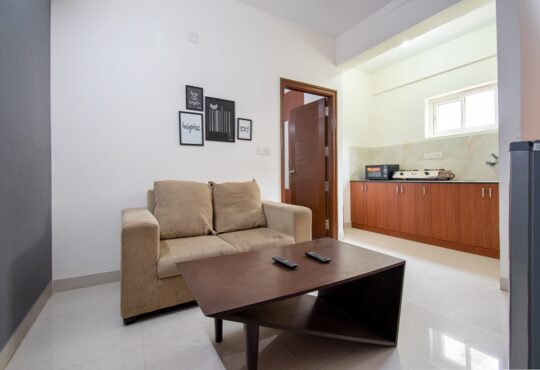
Studio Apartments: Compact units that combine living, sleeping, and kitchen areas in one open space, ideal for individuals seeking efficiency and affordability
-
One to Three-Bedroom Apartments: Designed to accommodate singles, couples, and families, offering separate sleeping quarters and communal living areas
-
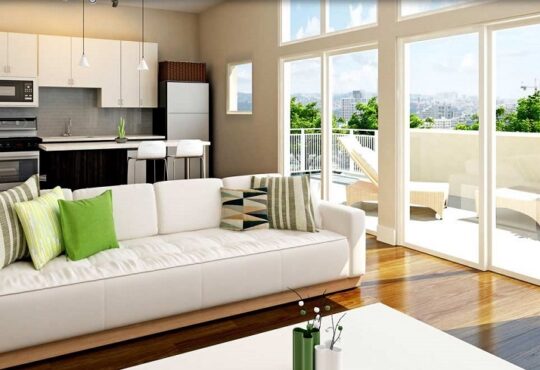
Loft Apartments: Characterized by open floor plans, high ceilings, and industrial aesthetics, often found in repurposed urban buildings
-
Penthouse Apartments: Premium units typically situated on the highest floors, offering expansive views, upscale features, and private amenities
-
Serviced Apartments: Fully furnished units with added services like housekeeping and concierge, appealing to business travelers or those seeking short-term stays
These variations reflect the adaptability of apartments, allowing individuals to choose the right space for their specific lifestyle and financial goals.
The Practical Advantages of Apartment Living
In modern cities where real estate prices are high and space is at a premium, apartments present a practical solution that balances cost with convenience. From maintenance-free living to prime location access, apartment life offers a suite of benefits that enhance day-to-day living.
Key advantages include:
-
Location Proximity: Apartments are often located in central or well-connected areas, providing easy access to public transportation, workplaces, schools, and cultural venues
-
Reduced Maintenance Responsibilities: Property maintenance, landscaping, and repairs are typically handled by building management, allowing residents to focus on their personal lives without the burden of upkeep
-
Amenities and Services: Many apartment complexes include fitness centers, swimming pools, rooftop terraces, lounges, and 24/7 security, enhancing lifestyle without additional cost or effort
-
Affordability and Accessibility: Renting or owning an apartment can be more financially accessible than purchasing a house in the same location, offering entry into desirable neighborhoods
-
Safety and Security: Features such as controlled entry, surveillance systems, and on-site staff provide peace of mind for residents, particularly in large complexes
These benefits make apartments especially appealing to young professionals, retirees, and families looking for efficient, comfortable living environments.
Financial Considerations for Renters and Buyers
Apartment living comes with distinct financial implications that differ from those associated with single-family homes. Whether renting or purchasing, understanding the associated costs is critical for making sound housing decisions.
Costs to consider as a renter:
-
Monthly Rent: Varies based on size, location, and included amenities. It’s recommended that rent not exceed 30% of gross monthly income
-
Utilities and Additional Fees: Water, gas, electricity, internet, and maintenance fees may be separate from rent, depending on the lease agreement
-
Security Deposit: Typically one to two months’ rent, refundable upon move-out if no damage has occurred
Costs to consider as a buyer:
-
Purchase Price and Down Payment: Apartments are generally more affordable than houses, but buyers must prepare for a down payment and associated closing costs
-
Homeowners Association (HOA) Fees: Monthly fees cover shared maintenance, security, and amenities, and vary widely by property
-
Property Taxes and Insurance: Ongoing costs that must be factored into long-term budgeting
Careful budgeting and awareness of these costs ensure that apartment living remains a financially sound choice, whether temporary or permanent.
Lifestyle and Community: Enhancing Daily Living
One of the most compelling aspects of apartment living is the opportunity to enjoy a vibrant, community-oriented lifestyle without sacrificing privacy or comfort. Apartments naturally foster social interaction and can create a strong sense of belonging among residents.
Lifestyle benefits include:
-
Community Spaces: Shared lounges, co-working areas, and outdoor spaces encourage neighborly interaction and foster a sense of camaraderie
-
Convenient Living: Proximity to restaurants, cafes, shops, parks, and entertainment venues allows residents to enjoy a rich urban lifestyle with minimal travel
-
Pet-Friendly Policies: Increasing numbers of complexes welcome pets, with dedicated amenities like dog parks and pet grooming stations
-
Wellness-Oriented Design: Many modern apartments incorporate fitness centers, wellness rooms, and green spaces to support physical and mental well-being
-
Work-Life Integration: With remote work on the rise, apartments featuring dedicated office nooks or access to co-working spaces are highly sought after
These elements contribute to a holistic living experience that supports both personal well-being and social engagement.
Trends Shaping the Future of Apartments
As living preferences and societal trends shift, apartment design and amenities are evolving to meet new demands. Developers and property managers are incorporating technology, sustainability, and flexibility to enhance the appeal of apartment living.
Current and emerging trends include:
-
Smart Home Technology: Features such as keyless entry, smart thermostats, and voice-activated appliances are becoming standard in modern units
-
Sustainable Living: Eco-conscious building materials, energy-efficient systems, and recycling programs appeal to environmentally aware residents
-
Flexible Leasing Options: Short-term leases, furnished units, and co-living arrangements offer greater flexibility for renters
-
Health-Focused Design: Improved air filtration, natural light optimization, and wellness-oriented communal areas reflect growing health consciousness
-
Digital Access and Services: Online rent payment, maintenance requests, and virtual tours improve convenience and accessibility for residents
These innovations ensure that apartments remain relevant and desirable in an increasingly dynamic housing market.
Conclusion: Apartments as the Future of Comfortable, Connected Living
Apartments are no longer merely compact living spaces—they are integral to the modern urban lifestyle. They offer a refined, adaptable, and efficient housing solution that meets the needs of individuals, couples, and families in a wide range of circumstances. With their blend of location advantages, financial accessibility, and enhanced community experiences, apartments continue to redefine what it means to live well in the heart of a bustling city or a quiet suburb. As urbanization intensifies and preferences evolve, apartments stand as a symbol of modernity, offering not just a place to live, but a way to thrive.