
Apartments as Modern Sanctuaries: Exploring Urban Living Through Comfort, Community, and Convenience


Apartments have become the quintessential choice for urban living, offering a refined blend of comfort, accessibility, and lifestyle adaptability. As cities evolve and populations grow more mobile, apartments now represent far more than compact living spaces—they are thoughtfully designed sanctuaries that cater to a wide spectrum of needs, preferences, and financial considerations. Whether it’s a minimalist studio in the city center or a spacious multi-bedroom unit in a suburban complex, apartments offer unique advantages that continue to appeal to individuals across various life stages. In this exploration of apartment living, we delve into the nuances that make apartments an increasingly preferred residential choice in the modern world.
The Essence of Apartment Living
Apartments are self-contained residential units within a larger building or housing complex. They range in size, layout, and design, yet share the common feature of offering independent living spaces in a communal setting. This duality—private residence within a shared environment—is at the heart of what makes apartment living distinct.
Popular apartment types include:
-
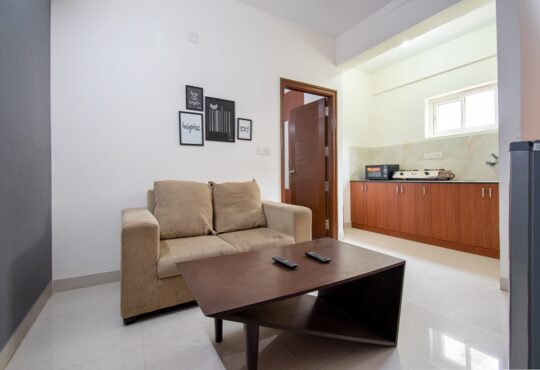
Studio Apartments: Open-plan units combining living, sleeping, and kitchen areas, ideal for single occupants or those embracing a minimalist lifestyle
-
One, Two, or Three-Bedroom Apartments: Designed for individuals, couples, or families, offering separate sleeping and living areas for greater privacy and comfort
-
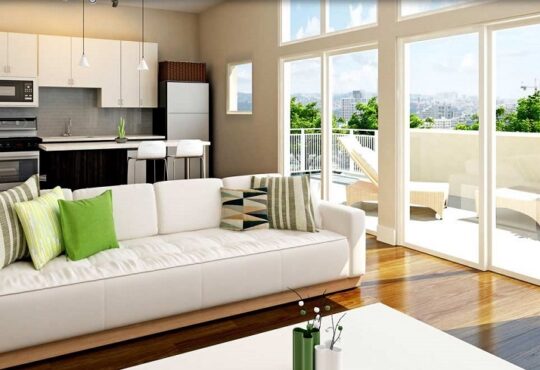
Loft Apartments: Spacious units often in converted industrial buildings, featuring high ceilings, large windows, and open layouts that appeal to creatives and design enthusiasts
-
Penthouse Apartments: Luxurious top-floor units in high-rise buildings, often offering panoramic views, premium finishes, and exclusive amenities
-
Serviced Apartments: Fully furnished units with hotel-like services, suitable for short-term stays or corporate housing needs
Understanding these varieties allows prospective tenants or buyers to make well-informed decisions based on lifestyle needs, space preferences, and budget considerations.
Advantages of Apartment Living
The appeal of apartments lies in their practicality, especially for urban dwellers who value location, convenience, and cost efficiency. Apartments offer numerous advantages over standalone homes, particularly for those seeking low-maintenance living and proximity to amenities.
Key benefits of apartment living include:
-
Prime Locations: Apartments are typically situated in urban centers or well-connected suburban hubs, placing residents within walking distance of shops, restaurants, entertainment, and public transport
-
Minimal Maintenance: Exterior maintenance, landscaping, and repairs are generally handled by building management, relieving residents of these responsibilities
-
Amenities and Shared Facilities: Many apartment complexes offer amenities such as fitness centers, pools, communal lounges, rooftop terraces, and secure parking, enhancing quality of life
-
Affordability: Renting or purchasing an apartment is often more cost-effective than acquiring a house in the same area, making urban living accessible to a broader demographic
-
Security Features: Gated entryways, intercom systems, on-site security staff, and surveillance technology provide an added layer of safety
These features not only make daily life more convenient but also contribute to a sense of community and shared experience among residents.
Financial Considerations in Apartment Living
For many, apartment living is driven by financial pragmatism. The lower upfront costs, predictable monthly expenses, and reduced maintenance obligations offer a degree of financial freedom and control not always found in homeownership.
Financial aspects to evaluate include:
-
Rent or Mortgage Payments: Monthly costs vary widely depending on location, unit size, and included amenities. It’s advisable to allocate no more than 30% of gross income to housing
-
Utilities and Fees: Some apartments include utilities such as water, gas, and trash collection, while others bill these separately. Additional fees may cover amenities, parking, or storage
-
Homeowners Association (HOA) Fees: In owned apartment buildings or condominiums, monthly HOA fees contribute to the upkeep of shared areas and services
-
Insurance: Renter’s or homeowner’s insurance is essential for protecting personal property and providing liability coverage
-
Deposit and Initial Costs: Renters typically pay a security deposit and first month’s rent upfront, while buyers must plan for down payments and closing costs
Balancing these financial factors ensures that apartment living remains not only comfortable but also economically sustainable.
Community and Lifestyle: More Than a Place to Live
Apartments offer a unique blend of privacy and community, allowing residents to enjoy their own space while also benefiting from social interaction and shared experiences. This sense of community is particularly important in urban environments where individual homes can feel isolating or impractical.
Lifestyle advantages include:
-
Shared Spaces for Socialization: Lounges, rooftop gardens, and co-working spaces encourage neighborly interaction and foster a sense of belonging
-
Events and Activities: Many complexes host events such as fitness classes, movie nights, or social mixers, creating opportunities to engage with fellow residents
-
Walkability and Active Living: Proximity to parks, cafes, shops, and transit encourages walking, cycling, and a more active lifestyle
-
Pet-Friendly Living: Increasingly, apartment buildings accommodate pets, offering designated play areas and pet-friendly amenities
-
Work-Life Balance: Apartments located close to business districts or with in-building workspaces support flexible working arrangements and reduce commute stress
This integrated approach to living enhances not only convenience but also well-being, making apartments ideal for those seeking a balanced, vibrant urban lifestyle.
Trends Shaping the Future of Apartments
The design and function of apartments are continually evolving to meet the changing needs of modern residents. From technological innovations to environmental consciousness, apartment living is being reimagined to offer smarter, more sustainable, and personalized experiences.
Current trends include:
-
Smart Home Features: Automated lighting, climate control, and security systems are becoming standard, offering enhanced control and energy efficiency
-
Sustainable Design: Eco-friendly building materials, solar panels, and water-saving fixtures reflect a growing emphasis on environmental responsibility
-
Co-Living and Flexible Spaces: Shared apartments with private bedrooms and communal areas cater to budget-conscious renters and foster collaborative living
-
Health and Wellness Amenities: Gyms, wellness rooms, and air purification systems support physical and mental health priorities
-
Digital Connectivity: High-speed internet and integrated tech hubs are essential for remote workers and digital professionals
By embracing these innovations, apartments remain at the forefront of modern housing solutions, continually adapting to the demands of a more mobile, tech-savvy population.
Conclusion: Apartments as the Future of Urban Living
Apartments have evolved into more than just places to live—they are hubs of comfort, community, and convenience in the heart of modern life. They offer a compelling alternative to traditional housing, blending affordability with access, privacy with social connection, and simplicity with sophistication. As cities grow and lifestyles become more dynamic, the versatility of apartments ensures their continued relevance and appeal. For those seeking an adaptable, enriching, and thoughtfully designed living experience, apartment life stands as a smart and stylish solution to contemporary living challenges.